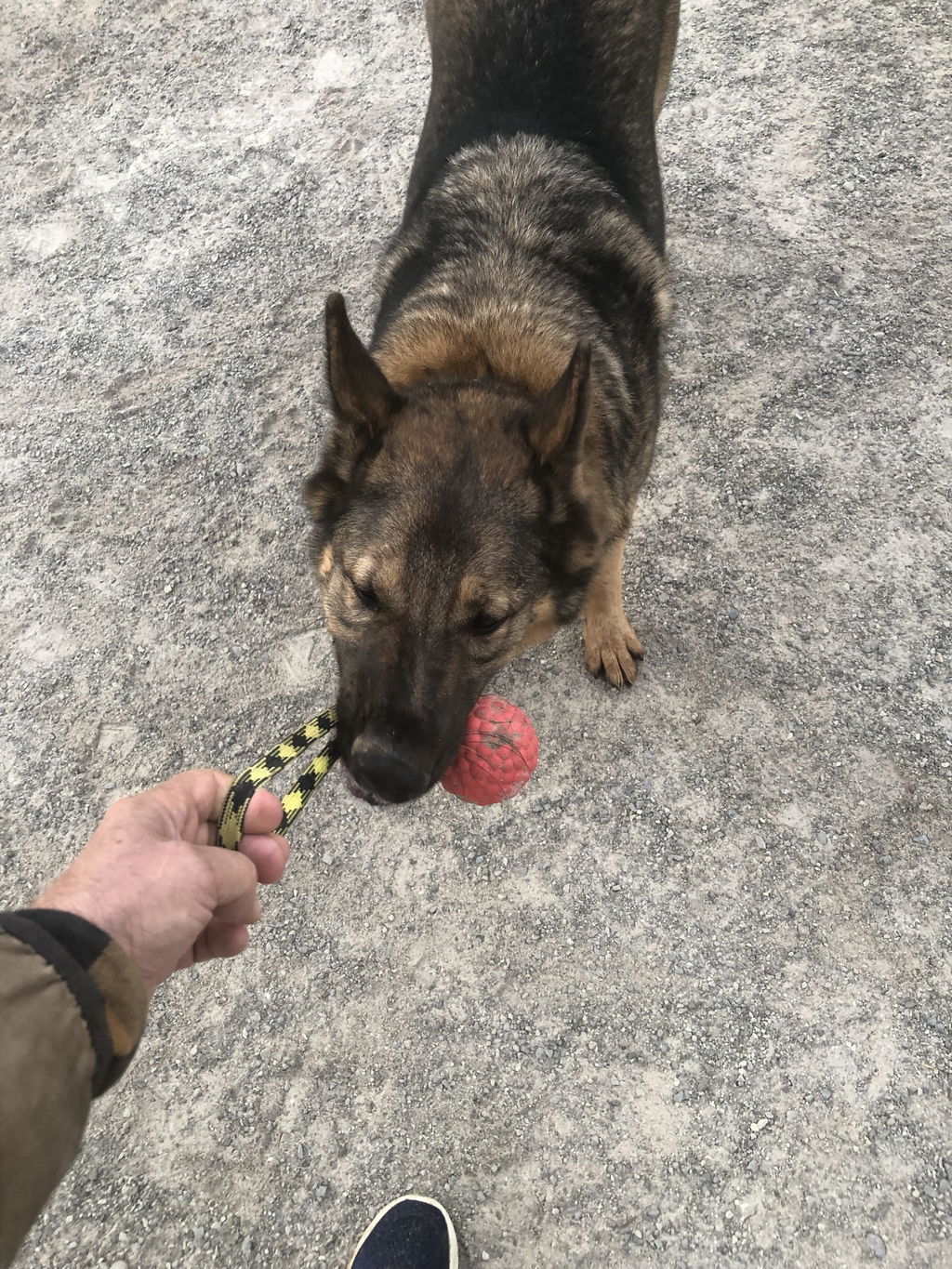
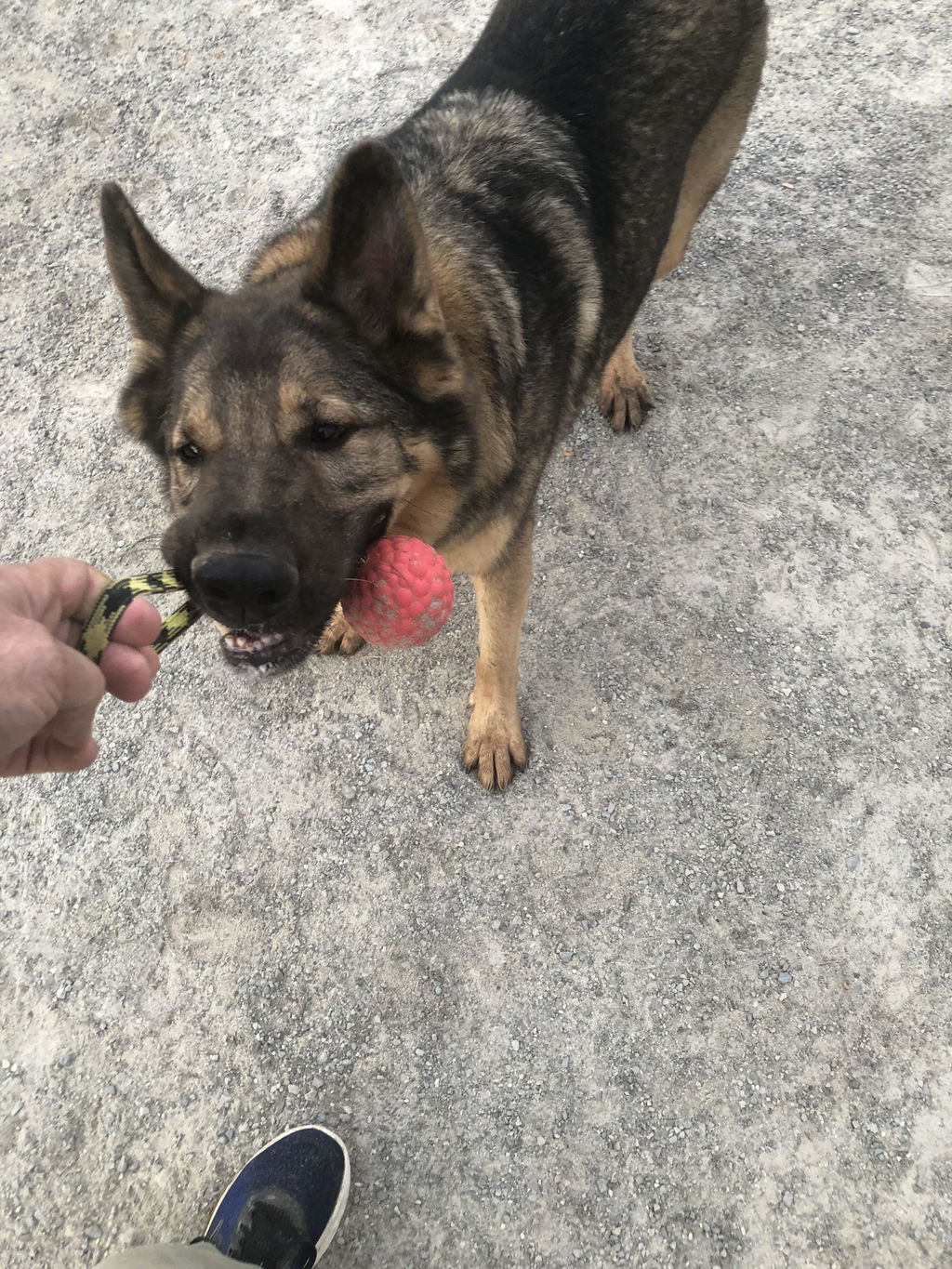
Focused Heeling Series part 2: When should you take the toy away?
Focused Heeling Series part 2: When should you take the toy away?
When Should You Take the Armpit Toy Away?
In the first article of this series, we talked about the armpit toy and how I use it to build the foundation for focused heeling. Most recently I switched my young female Fireballs Foxey from food in the armpit held by my hand to my favourite armpit toy; the RADDOG pouch.
But once the dog understands the basic concept, an important question comes up:
When should you take the toy away?
My answer is simple: before your dog becomes dependent on it.
The goal isn't to suddenly remove the reward and expect the dog to perform. The goal is to gradually teach the dog that the behavior stays the same even when the visible reward disappears.
Don't Wait Until the Dog Needs the Toy
One of the biggest mistakes I see is waiting too long to begin this transition.
The dog becomes extremely comfortable with the toy under the arm. The head position looks beautiful, the dog is engaged, the feet are flaring and everything feels great.
Then the handler removes the toy.
Suddenly, the dog doesn't know what to do.
That's because the dog may have learned:
"Follow the toy."
Instead of:
"Stay in the correct position and keep my head up"
Look for Understanding, Not Perfection
I'm not looking for a dog that can heel for a long time before I begin removing the focal point.
I'm looking for signs that the dog understands the position.
Can the dog maintain the correct head position for several steps? Ten steps of perfect heeling is a goal, then active reward. Pull the toy from the armpit and create a chase game!
Can I change my movement slightly without the dog immediately losing position?
Is the dog engaged with the work rather than simply chasing the reward?
If I have those pieces, I can begin experimenting with taking the toy out of sight.
Start Small
The transition doesn't have to be dramatic.
I might take the toy away for just a few steps and then reward!
The important part is that I am teaching the dog:
The toy can disappear, and the job doesn't change.
I don't need to test the dog for an entire heeling pattern or even 50 steps.
In fact, I would rather have a few excellent steps without the toy than a long exercise where the dog gradually loses position, engagement and becomes confused.
Quality First. Duration Later.
If the dog maintains the behavior, reward.
If the dog struggles, I don't simply keep going and hope it gets better.
I look at why the behavior changed.
Did I remove the reward too quickly?
Did I ask for too many steps?
Did the dog actually understand the position?
Was I relying too heavily on the toy?
The answer determines what I change in the next repetition.
The Toy Doesn't Have to Disappear Completely
Taking the toy away doesn't mean I stop using it.
This is an important distinction.
I can still bring the toy back and use it as reinforcement.
What changes is how the dog accesses the reward.
Instead of the toy being continuously visible and guiding the behavior, the dog begins to work without seeing it.
That creates a very different mindset.
The dog starts learning that the reward is available without needing to watch it.
Watch the Head
One of the first things I look at when I remove the toy is the dog's head.
Does it stay where I taught it?
Or does it immediately move?
A dog that drops its head, looks toward the hand, searches for the toy, or changes position is giving you valuable information.
Don't think of that as failure.
Think of it as feedback.
The dog's behavior is telling you what needs more training.
The Goal Is Independence
Ultimately, I want the dog to become less dependent on the visible reward while remaining highly motivated to work.
That's the balance.
I don't want:
Toy = focused heel
I want:
Focused heel = valuable behavior, enjoyment with the handler, with the toy becoming the reinforcement.
That difference becomes increasingly important as we move toward competition.
A competition dog cannot rely on seeing a toy throughout the exercise.
The dog has to understand the job.
Don't Confuse Removing the Toy With Removing Motivation
Some handlers worry that if they hide the toy, the dog will lose enthusiasm.
Sometimes that happens—but it doesn't necessarily mean the toy needs to go back under the arm permanently.
It may mean you've progressed too quickly. Or you have not added another form of communication. For example a guide to show the dog the head must still remain high.
Go back to shorter repetitions.
Reward sooner.
Build confidence.
Then try again.
The goal is to gradually transfer the dog's focus from the visible reward to the behavior and ultimately enjoying the teamwork with the handler.
The Next Step
Once your dog can maintain focused heeling for short periods without seeing the toy, you have reached an important point in the training.
Now we can ask an even more revealing question:
What happens to your dog's head when the toy disappears?
Does the position stay strong?
Does the dog search for the reward?
Does the dog lose engagement?
That tells us whether the dog has truly learned the behavior or is still following the focal point.
And that is exactly what we'll look at in the next article.
Next in the series: What Happens to Your Dog's Head When the Toy Disappears?